Undiknas Co-Hosts the 12th International Conference on Smart Computing and Communication 2026
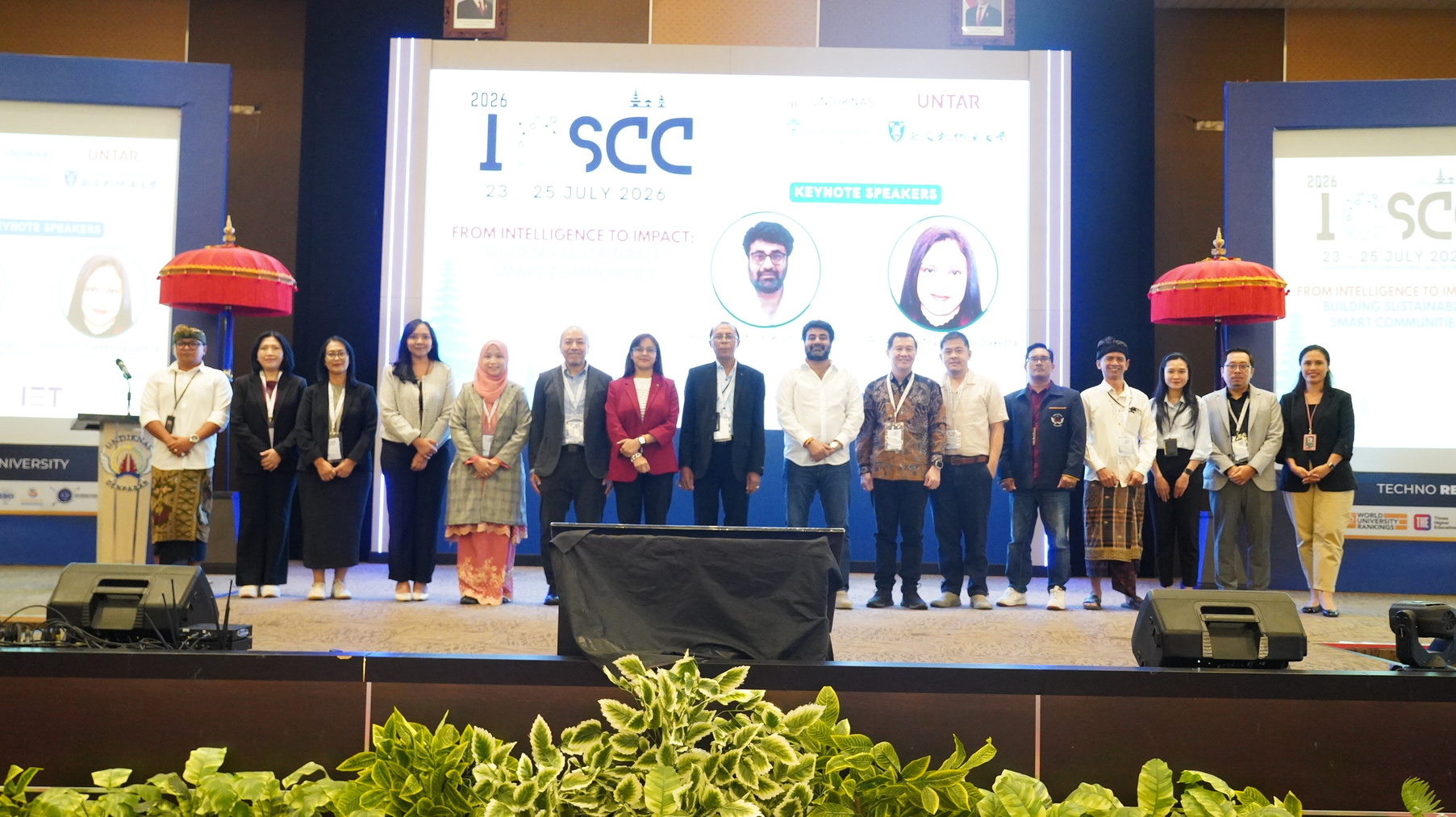
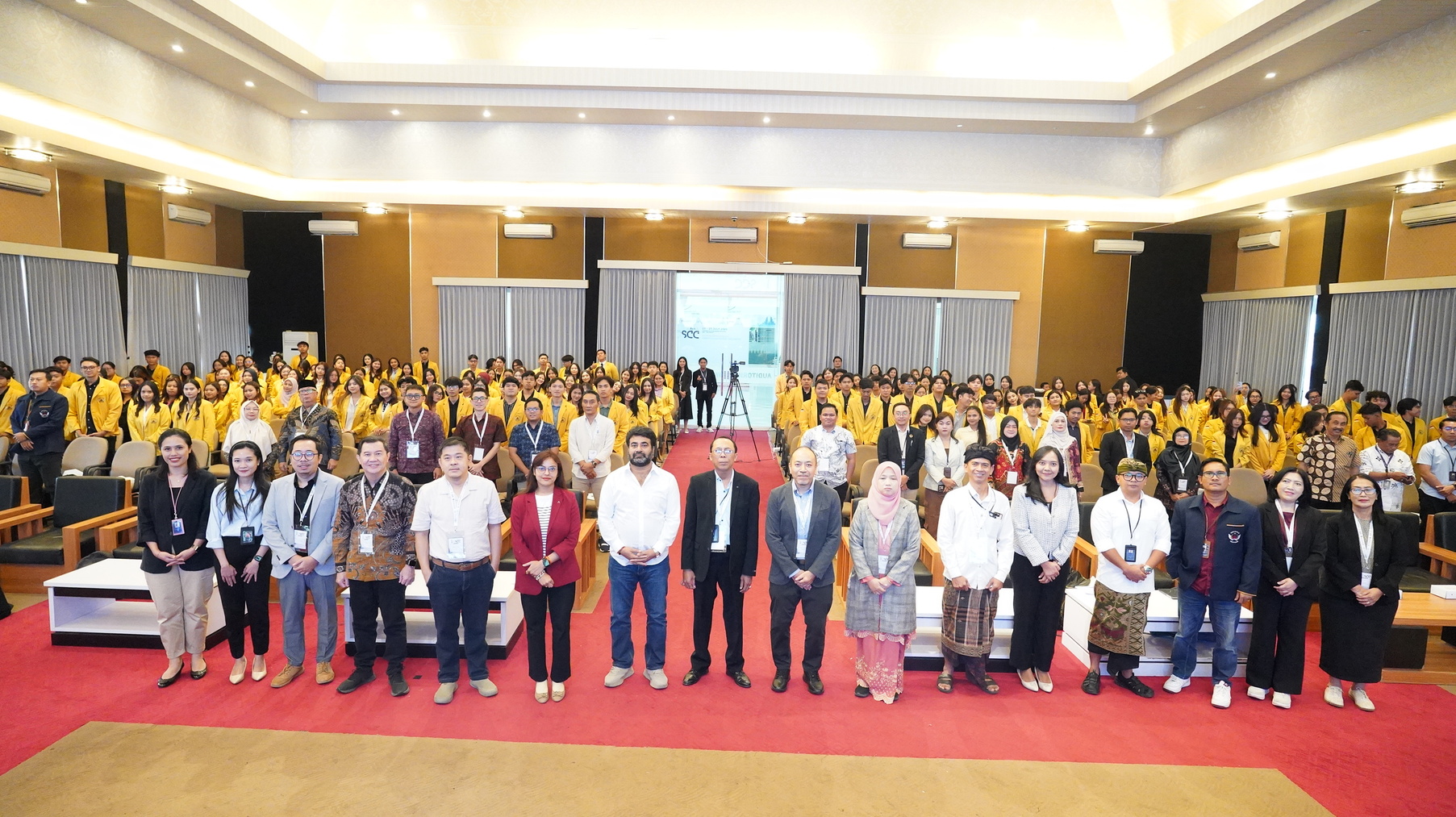
Denpasar, Bali, July 27th 2026— Universitas Pendidikan Nasional (Undiknas) proudly served as a co-host of the 12th International Conference on Smart Computing and Communication (ICSCC 2026), held from 23 to 25 July 2026 at the Undiknas campus in Denpasar, Bali. Carrying the theme “From Intelligence to Impact: Building Sustainable Smart Communities,” ICSCC 2026 brought together researchers, academics, industry professionals, and students to exchange knowledge and discuss recent developments in smart technologies and their applications.
The three-day conference was conducted in a hybrid format, allowing participants to attend either in person or virtually. More than 100 research papers were presented by participants from Indonesia, Malaysia, India, and various other countries, reflecting the conference’s strong international participation and academic diversity. The presented research covered several key areas, including Smart Communication Systems, Smart Computing Systems, Smart Energy Systems, and Artificial Intelligence and Machine Learning Applications. The conference also featured special sessions focusing on AI for Healthcare and AI for Business.
One of the main highlights of ICSCC 2026 was the keynote sessions delivered by distinguished international experts. Prof. Ashutosh K. Singh from the Indian Institute of Information Technology Bhopal, India, presented a keynote entitled “Fault-Tolerant, Availability-Aware, and Quantum Predictive Intelligence Models for Cloud Computing.” His session was moderated by Dr. Ahmad Syahrin Idris from the University of Southampton Malaysia. The second keynote was delivered by Assoc. Prof. Deepika Saxena from the University of Aizu, Japan, with the topic “Fault-Tolerant and Cybersecure Virtual Machine Management for Resilient Industrial Cloud Systems.” The session was moderated by Prof. Siti Fauziah Toha from the International Islamic University Malaysia.
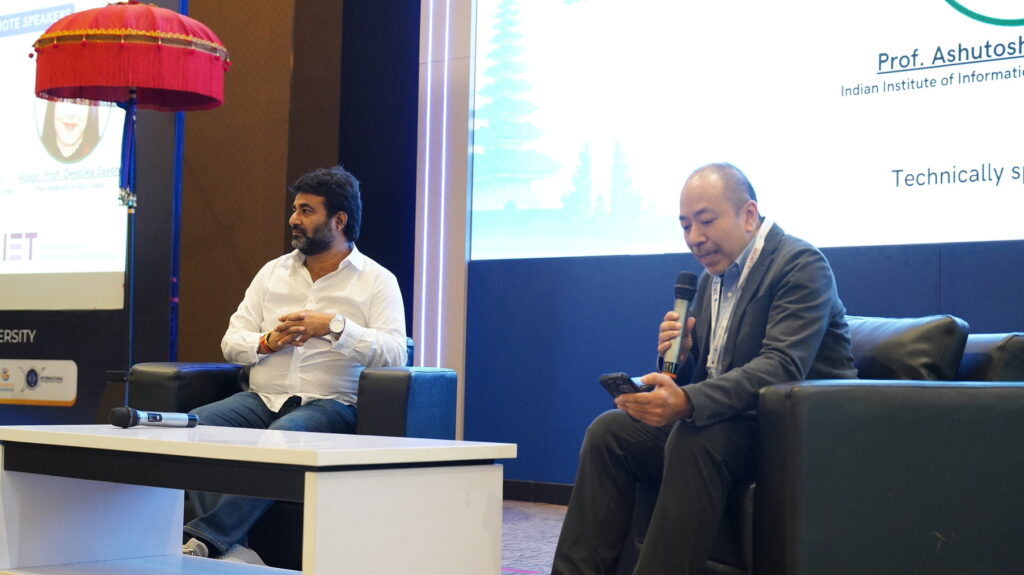
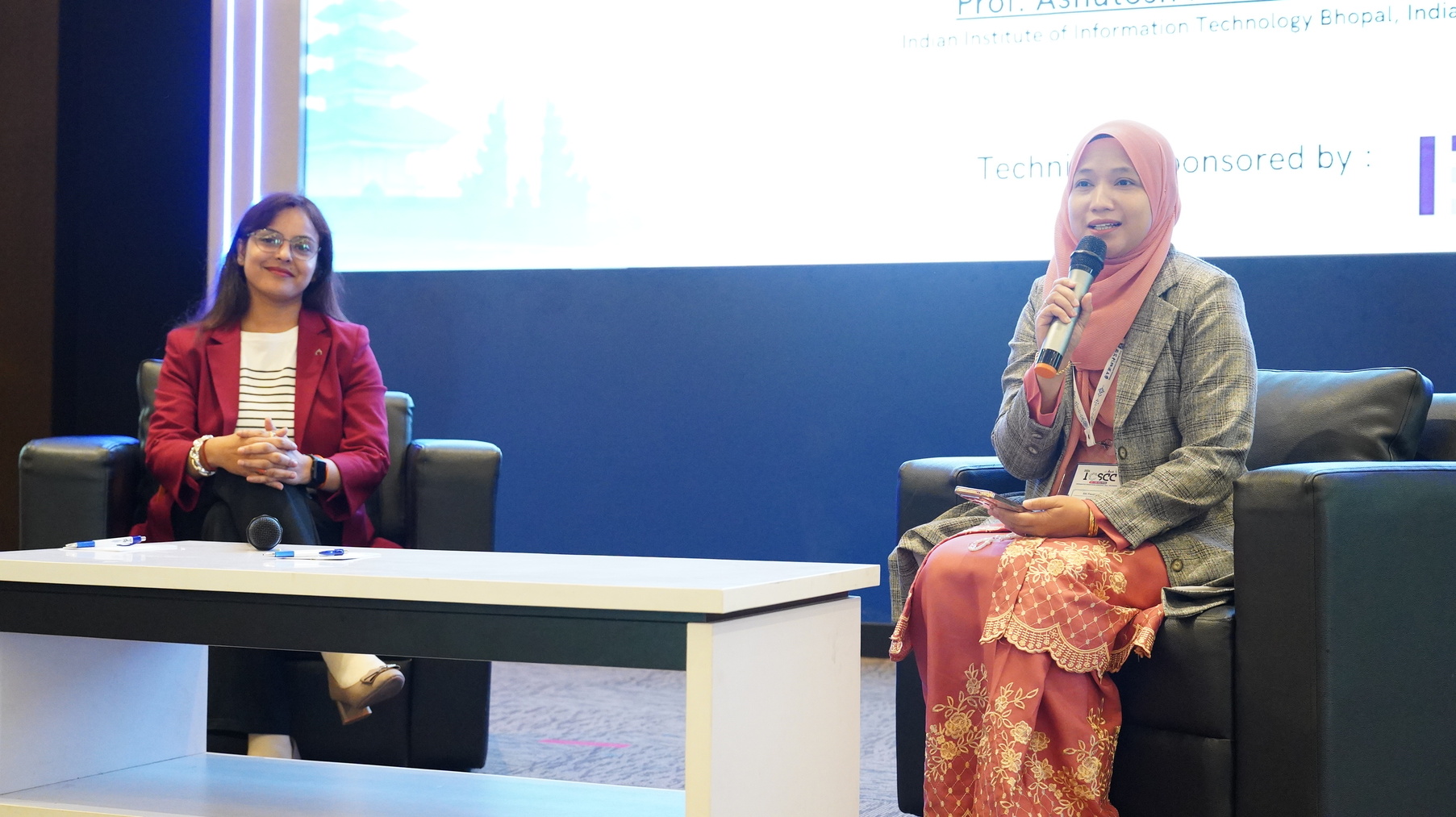
In addition to the keynote sessions, the conference featured parallel paper presentations, academic discussions, and networking activities. These sessions provided participants with opportunities to present their research findings, exchange perspectives on emerging technological challenges, and establish academic and professional connections across countries and disciplines. The first two days of the conference focused on academic activities, including the opening ceremony, keynote sessions, and paper presentations. The third day featured a field visit, cultural activities, and networking sessions, allowing participants to strengthen international connections while experiencing the cultural environment of Bali.
Through its role as a co-host, Undiknas demonstrated its commitment to supporting international academic collaboration, research innovation, and the development of sustainable smart technologies. The conference also strengthened Undiknas’ international engagement and created opportunities for future cooperation among researchers, universities, and industry professionals worldwide.