Engineering Guest Lecture: Dr. Ivan Ling Dissects the Role of Smart Sensors in Carbon Pricing
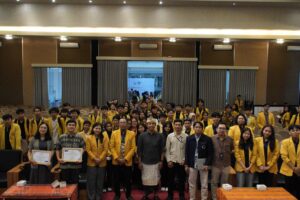
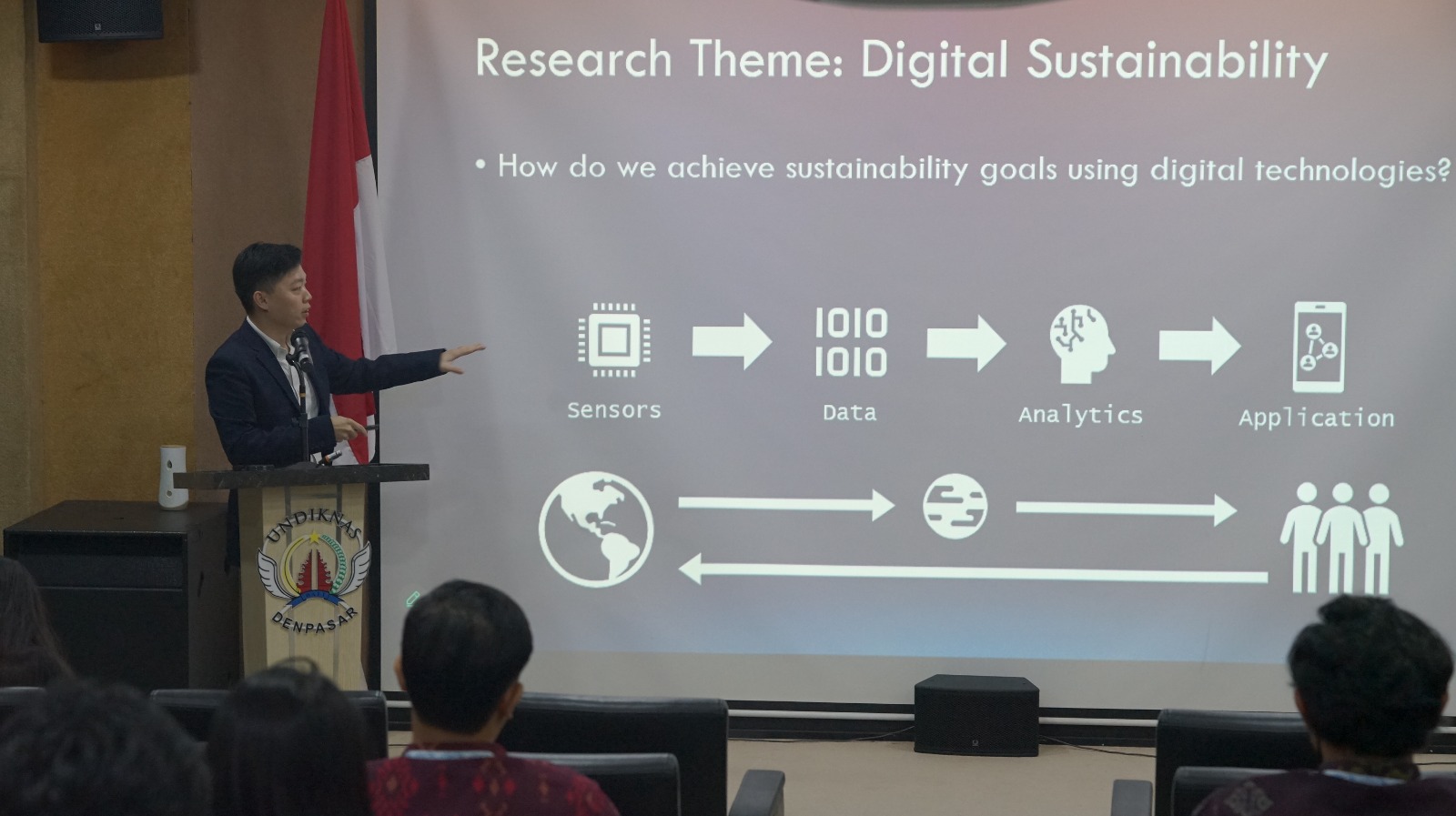
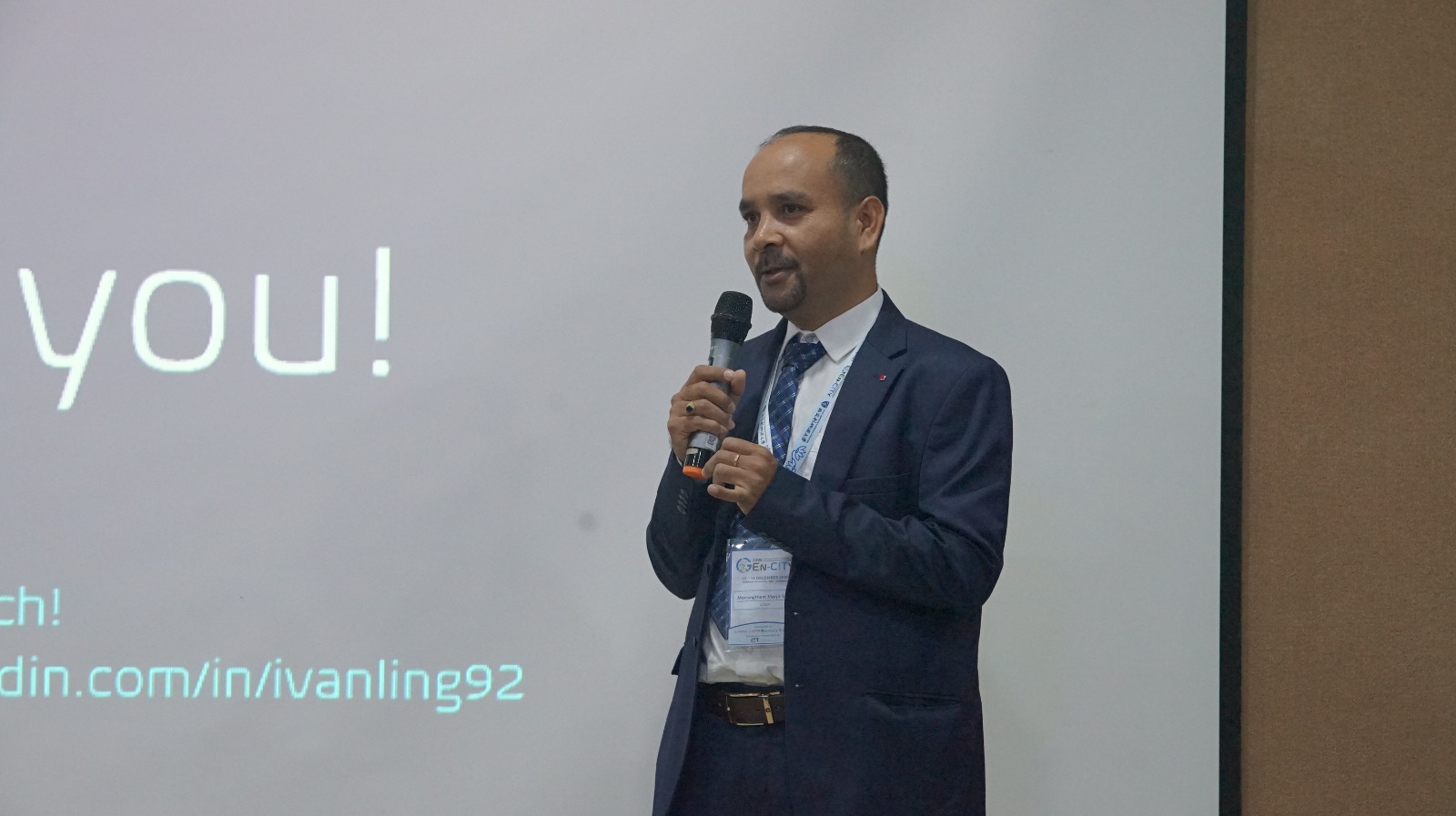
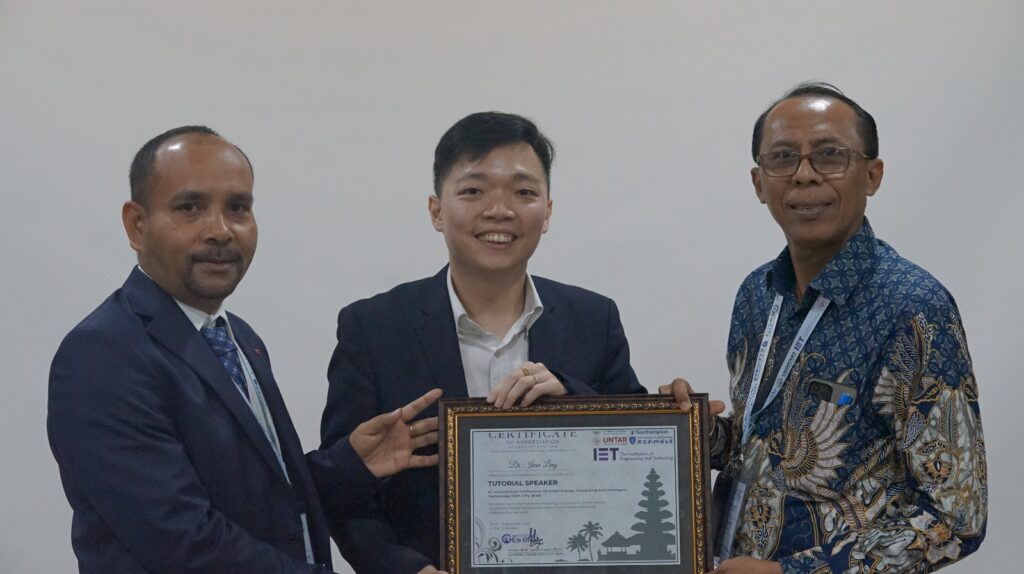
Denpasar, Bali, December 16, 2025 – The Faculty of Engineering and Informatics (FTI) at Universitas Pendidikan Nasional (Undiknas) has once again hosted a world-class academic event through a Guest Lecture session featuring the futuristic theme, “Digitalizing Sustainability—From Sensors to Insights.” The event featured Dr. Ivan Ling as the keynote speaker, who dissected the integration of digital technology in maintaining environmental sustainability. The scientific discussion was further elevated by the presence of Prof. Moirangthem Marjit Singh from the Northeastern Regional Institute of Science and Technology, India, who served as the moderator. This collaboration between the expert speaker and a moderator from a renowned Indian institution provided a fresh global perspective for the Undiknas academic community on environmental issues.
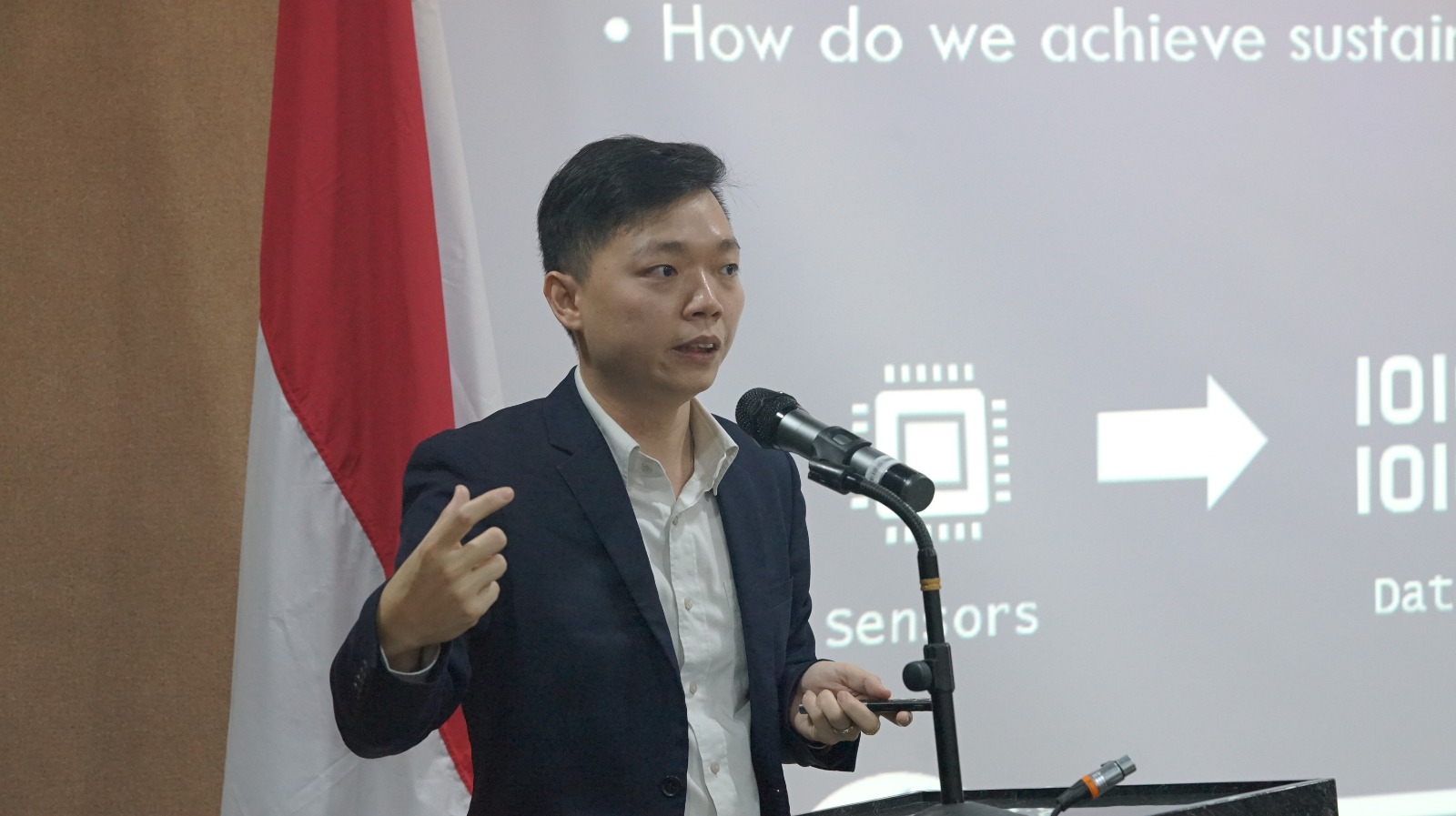
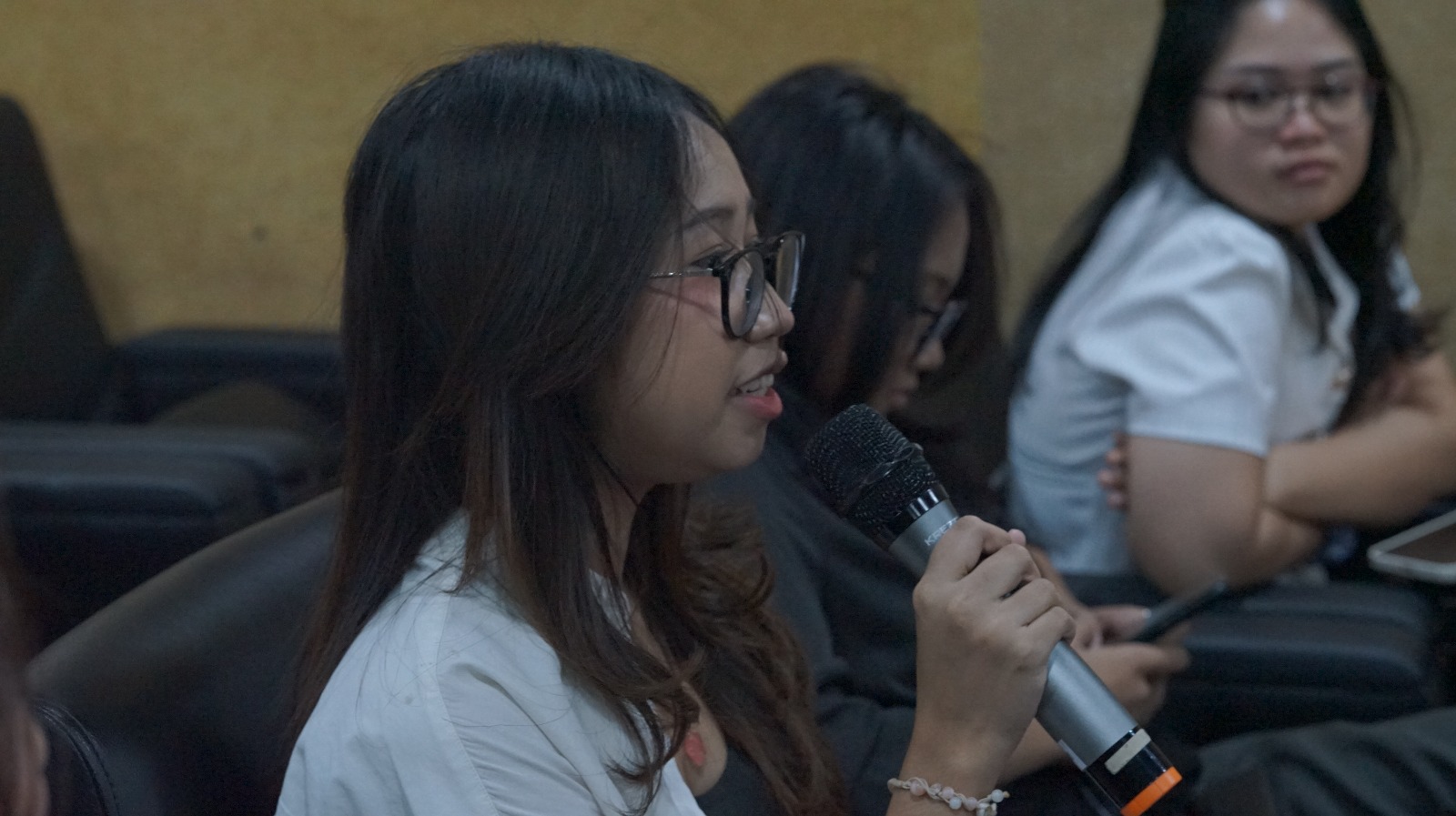
The event was enthusiastically received by 40 selected students from various study programs within FTI Undiknas, including Information Technology, the Professional Engineer Program (PSPPI), Environmental Engineering, Civil Engineering, and Electrical Engineering. This diverse composition of participants reflects the urgency of a multidisciplinary approach to addressing climate change. While civil and environmental engineering students examine infrastructure impacts, electrical and IT students focus on detection instruments and data processing. This cross-departmental synergy is expected to foster new innovations among students in creating eco-friendly technological solutions. In his presentation, Dr. Ivan Ling focused on the technical aspects of building advanced sensors designed specifically to detect global carbon footprints. He explained that the primary challenge today is not merely measurement, but transforming raw sensor data into actionable insights. Students were invited to understand the architecture of sensor systems capable of monitoring carbon usage with high precision, a technology that serves as the fundamental cornerstone in global efforts to “digitalize” sustainability.
A crucial point highlighted during this guest lecture was the capability of these sensors to predict carbon emission levels for economic purposes, specifically for determining carbon pricing. Dr. Ling emphasized that without accurate sensor data, the implementation of carbon taxes or emission costs remains ineffective. With technology capable of precisely validating emission levels, carbon pricing policies can be implemented fairly and transparently. Through these insights, FTI Undiknas students are expected to be prepared as future engineers capable of bridging the gap between sensor technology innovation and environmental economic policy.